by Victoria Howell
School districts in three Bitterroot Valley communities will have levies on the ballot this spring. Mail-in ballots go out to voters on April 17 and are due back by May 5.
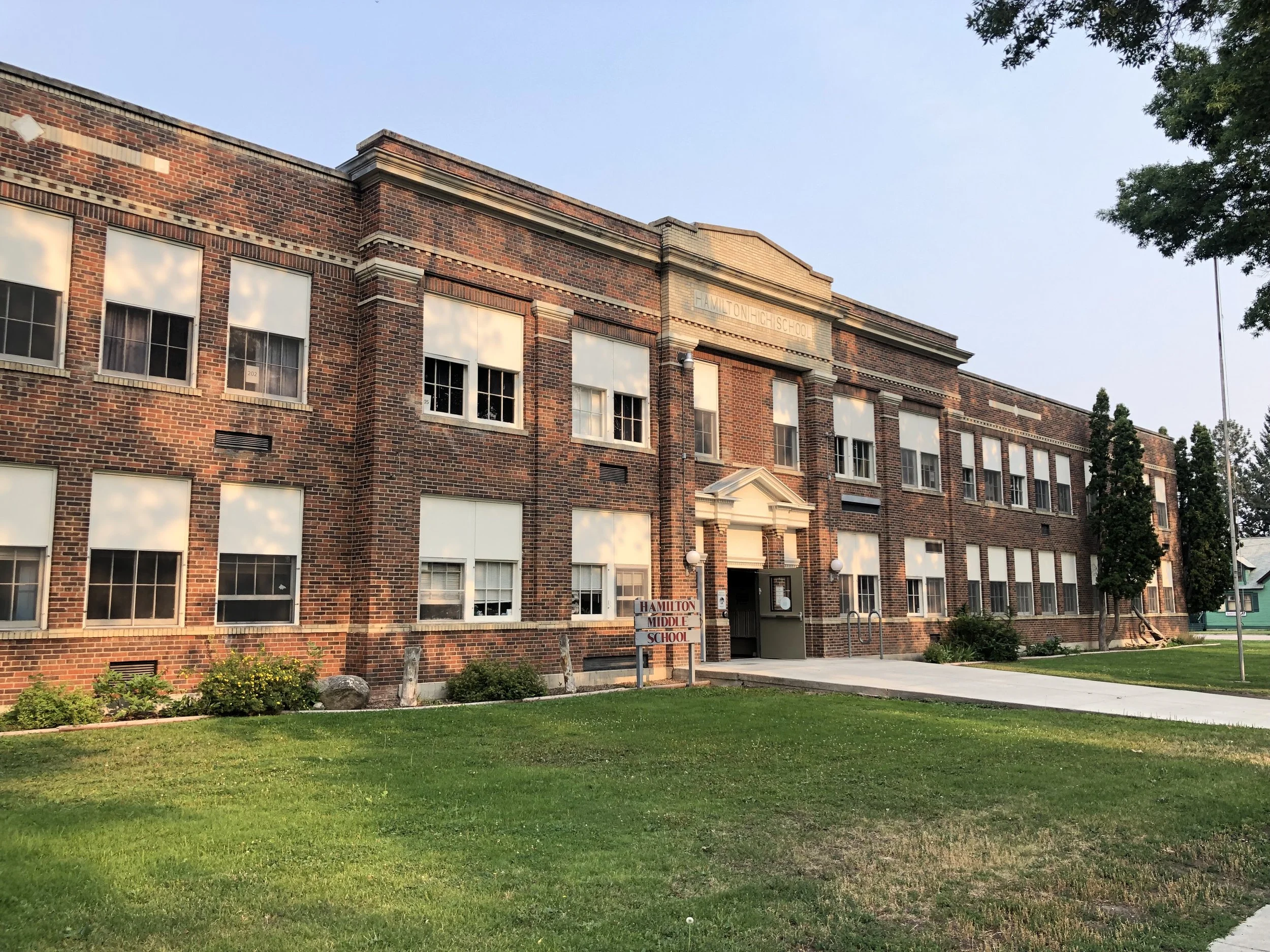
Hamilton
The Hamilton School District is running a $475,000 safety levy and a $430,000 technology levy. The safety levy would be a permanent levy, and the technology levy has a fixed term of 10 years.
According to information provided by the district, these levies are geared to maintaining current operational standards and preventing drastic cuts in essential personnel and services.
According to Dave Thennis, Hamilton Superintendent, “As we are examining our current budget, there are ups and downs and some uncertainty on federal funding. In examining what that looks like for us, the tech levy and safety levy are not for new things, but to stabilize what we currently have, to maintain the learning environments we have in place for our kids. That is the heart of the issue.”
Thennis said that the safety levy will allow the district to retain personnel, such as a School Resource Officer, behavior specialist, social workers and nurses.
“We want to protect those trained people we have in place,” said Thennis.
The district currently has two SRO’s – one is paid through the general fund, and a second was added through a COPS grant. Over three years, the grant money gets used up, “but we want that position to continue,” said Thennis. “We think we need that second person.”
Thennis said that the social work/behaviorists are funded through title funds and changes at the federal level could affect that.
If the safety levy passes, “this would be Hamilton taking care of Hamilton,” said Thennis.
The price of technology is really hitting school districts hard, said Thennis. He said these costs, which are really infrastructure costs, have gone up 41%. He said schools can’t operate without the technology, and vendors have changed to a mechanism where you’re buying subscriptions and licenses per device, making it more and more expensive.
“We don’t want to put our kids in front of more screens; we just want to make sure the infrastructure is taken care of,” said Thennis. “You’re hearing more and more about districts that are moving away from technology, but we’re not talking about putting students in front of screens 100% of the time, but we use it responsibly when it’s appropriate.
“We have to have phone lines, we have to have internet, we need to be able to communicate with our families. We can’t go without that.”
Thennis said that the cost to the owner of a home with a taxable value in the $500,000 range would run about $10 per month ($120 per year) total for both levies. Thennis believes many Hamilton homes would be under that.
“It’s tough out there,” said Thennis. “Many people are definitely on a fixed income, and so are we. We get what we get, and we have to make that work.”
A recent bond election for $49 million for a new middle school building did not pass, following two attempts.
“But this is just to continue operating the way we’ve been operating,” said Thennis. “This is just really taking care of ourselves and not relying on others.”
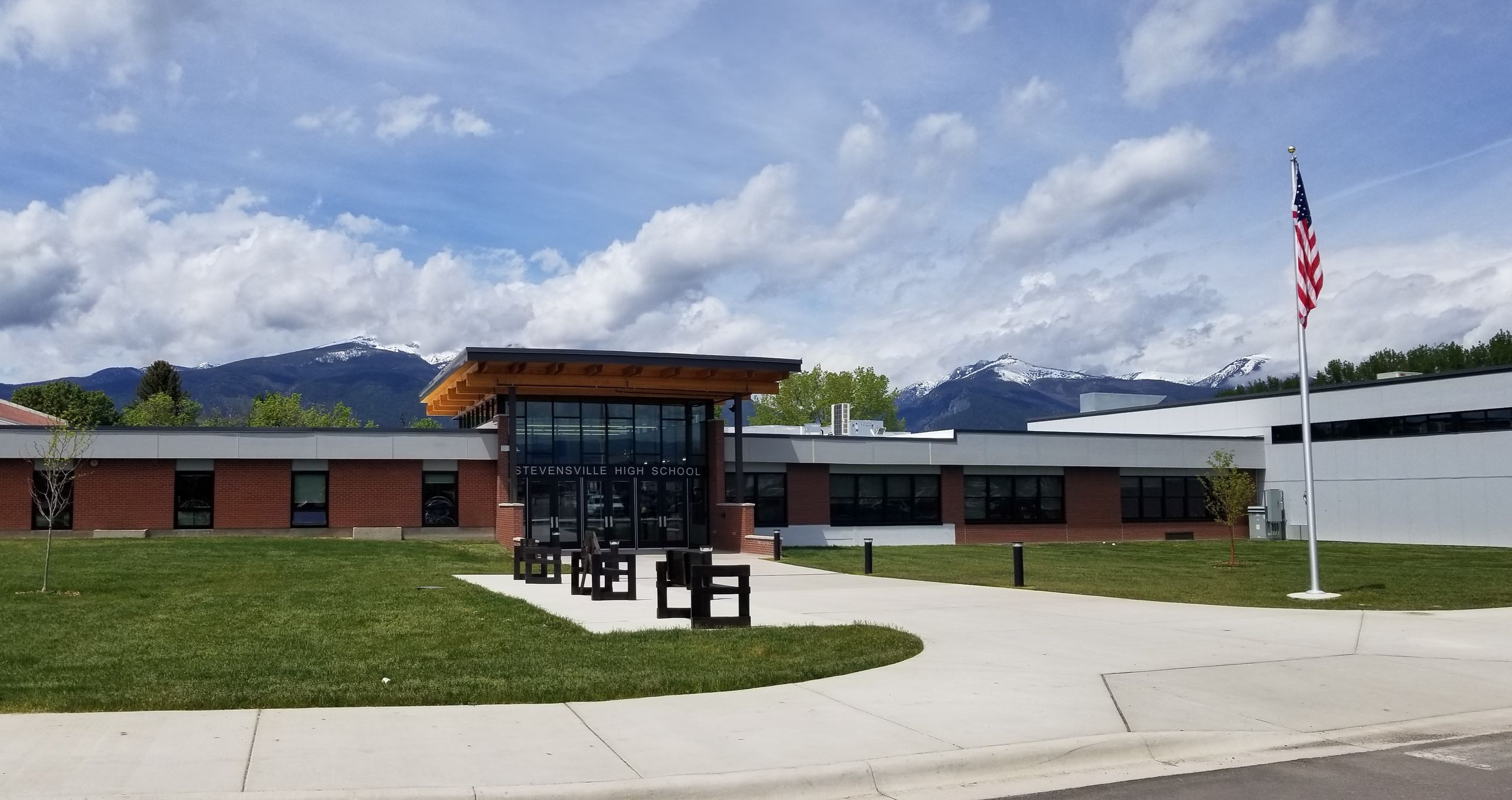
Stevensville
Stevensville, which is separated into two districts, elementary and high school, is running a technology levy of $250,000 in each district (the high school district includes the Lone Rock area), which includes the original $75,000 technology levy that was already approved in each district but comes up for renewal every 10 years.
According to Jon Konen, Stevensville Superintendent, this levy would support safety and security for the campus, digital educational platforms for curriculum and assessment, business administration software, and rotation for laptops and Chromebooks, and more. Konen said about a fifth of the equipment that the students use needs to be replaced every year. He said during the COVID pandemic, all the districts purchased a lot of tech equipment, but it’s now outdated. He said that every student from 4th grade up has a one-to-one device.
Konen said if the levy doesn’t pass, “there will be repercussions, severe consequences.”
A chart prepared by the district lists what cuts are being proposed over the next three years if the levy doesn’t pass. In the first year, it lists curriculum platforms, business office software, IT support and fewer laptop replacements. In the second year, it’s staff cuts, IT support and professional development, all online curriculum platforms and further hardware cuts. In year three, it’s more staff cuts, no district coverage for professional development, fewer classroom supplies and fewer computer replacements.
Here is the estimated $175,000 additional annual impact, which is in addition to the $75,000 previously authorized as a perpetual levy in 2016 and will be limited to 10 years: For a home valued at $300,000, the elementary district tax impact would be $17.49 per year, and the high school district tax impact would be $13.11 per year. For a home valued at $600,000, the elementary district tax impact would be $40.19 per year, and the high school district tax impact would be $30.14 per year.
In a recent letter to the newspaper, Konen wrote, “This is not a new tax. It is a renewal of essential funding that expires this year. Without renewal, the funding that supports classroom tools, security systems, and critical infrastructure will disappear.
“We face a critical moment. The devices and hardware purchased when the levy was last renewed in 2016 are now aging out of service, and many are failing at the same time. That creates a significant replacement need. Renewing this levy allows us to replace outdated equipment in an organized, fiscally responsible way, rather than reacting to breakdowns that disrupt instruction and strain other parts of the budget.
“Since 2016, the cost of technology (hardware, software, cybersecurity protections, cloud services, and technical support) has increased substantially. At the same time, our reliance on secure, reliable systems has grown. If the levy is not renewed, the consequences will be severe. We will be forced to cut valuable curriculum platforms. We will be unable to update critical security systems. We will lose technology support staff who keep our classrooms and networks functioning each day.”
“Inflation has overtaken the amount of school funding (that districts receive),” said Konen in an interview with the Star. “The funding mechanism needs to be rethought. We can’t expect the voters to take on this burden.”
Konen said that he is planning to meet with the Office of Public Instruction to plug the idea of sharing resources to save money on the systems that all the districts are using.
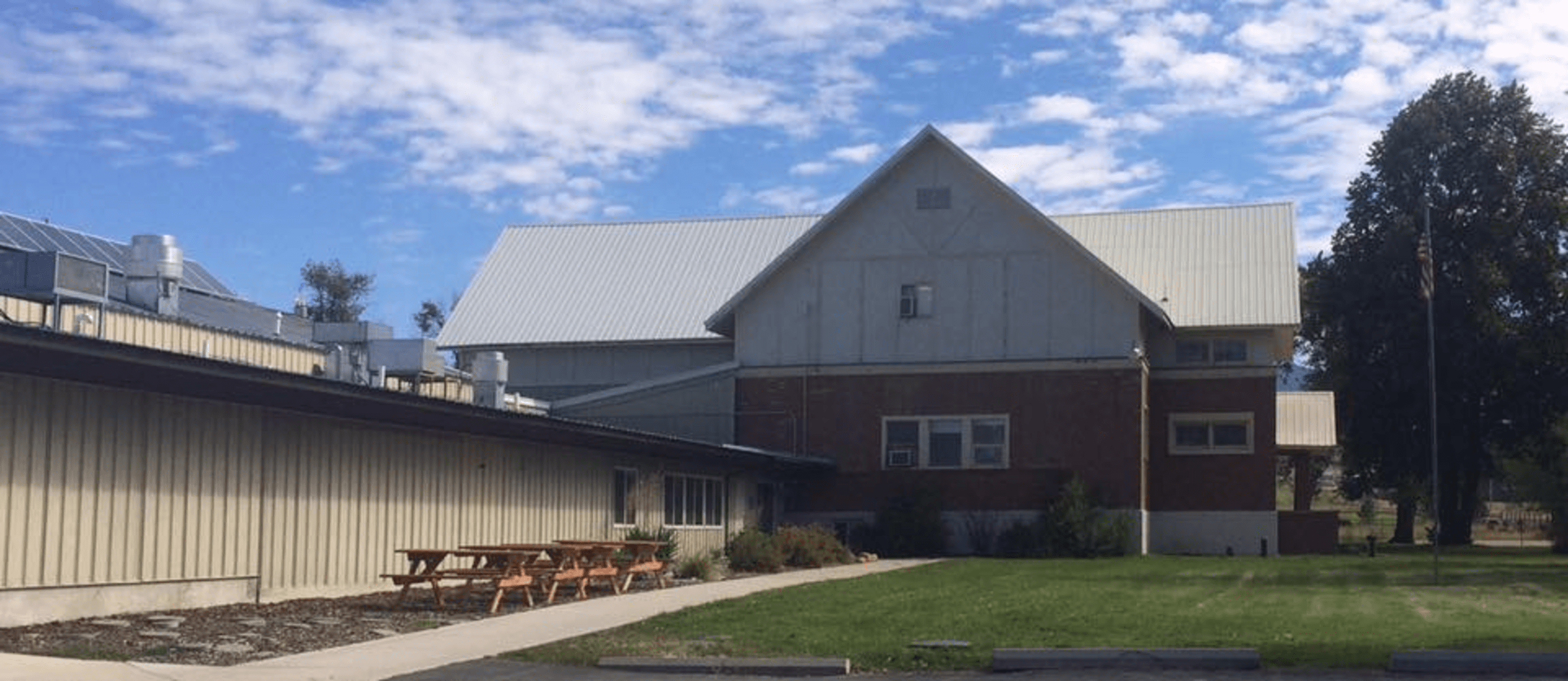
Lone Rock
The Lone Rock School District is running a $100,000 technology levy in addition to the district’s existing $19,650 perpetual technology levy, which has remained unchanged since 2004. According to information provided by the district, the goal of this levy is “to keep students safe while maintaining the technology systems that support learning and daily school operations. If approved, this levy will not increase student time on devices. Instead, it will allow us to maintain and strengthen the safety, security, and infrastructure systems that protect students in today’s digital world.”
Teresa Weems, Lone Rock Superintendent, said, “Our biggest issue is just keeping kids safe. We are doing everything we can to create a safe learning environment for our students. How do we secure our internet for our kids? Kids can get on and access anything. Also, people can do it. This is just more and more expensive.”
Weems said, “One of the things people don’t see is that we have been so diligent in looking at every single penny. We negotiated cheaper propane, we buy less expensive toilet paper, just everything.”
“But we have to monitor everyone who walks in and make sure they are safe to be in our school,” said Weems. “We are obligated by law to meet more and more requirements; we have to have those systems in place and run certain programs, and these are not funded.”
According to the district’s information, costs associated with technology have increased significantly since 2004. Between 2004 and 2026, inflation has increased by approximately 72 percent. In practical terms, something that cost $100 in 2004 would cost about $172 today. Schools are also facing increased costs related to technology systems and software, cybersecurity protections, network infrastructure, utilities and insurance, ongoing maintenance and licensing fees and more.
While technology costs have grown, the district’s technology levy has remained the same since 2004. The actual technology cost per student today is approximately $461.82, based on annual technology expenses of $126,538.68.
The estimated cost of the levy to the owner of a home valued at $300,000 would be $29.96 per year, and $68.86 for a home with a taxable value of $600,000.
In addition to the proposed technology levy, Lone Rock School District is also asking voters to consider a $50,000 School and Student Safety and Security Building Reserve Levy. This funding would be used to further improve the safety of the school campus by updating aging security systems and cameras, strengthening building safety infrastructure, and addressing several needed safety-related repairs to school facilities.
The estimated cost to the owner of a home with a taxable value of $300,000 would be $14.98 per year, and for a home with a taxable value of $600,000, it would be $34.43 per year.
“I know it’s a challenging time and everyone is having trouble making ends meet,” said Weems, “but our budget is only funded 80% from the state, taxpayers need to make up the rest.”
Lone Rock enrollment is 274 K-8, and Weems said that the district is only using 83% of the amount that the state estimates it should cost to run a district of their size. “That means we’re being fiscally responsible,” said Weems.
She noted that the last levy attempt in 2023 didn’t pass.
“We’re just doing everything we can to keep our costs as low as possible and not ask our taxpayers for more, but we’ve reached the point where we have to do something,” said Weems. “We’re just doing everything we can to keep kids safe and give them the best education possible.”


Alex says
Here’s a few quick ideas that might be helpful and hopefully save some money!
What if schools…
1. Bought more printers and went back to mainly pencil and paper.
2. Instead on having one to one chrome books, we changed back to computer labs.