by John Dowd
Bear conflicts are mounting across the Bitterroot Valley, prompting Montana Fish, Wildlife and Parks (FWP) officials and local residents to pursue what could become the valley’s first community bear-proof trash enclosure.
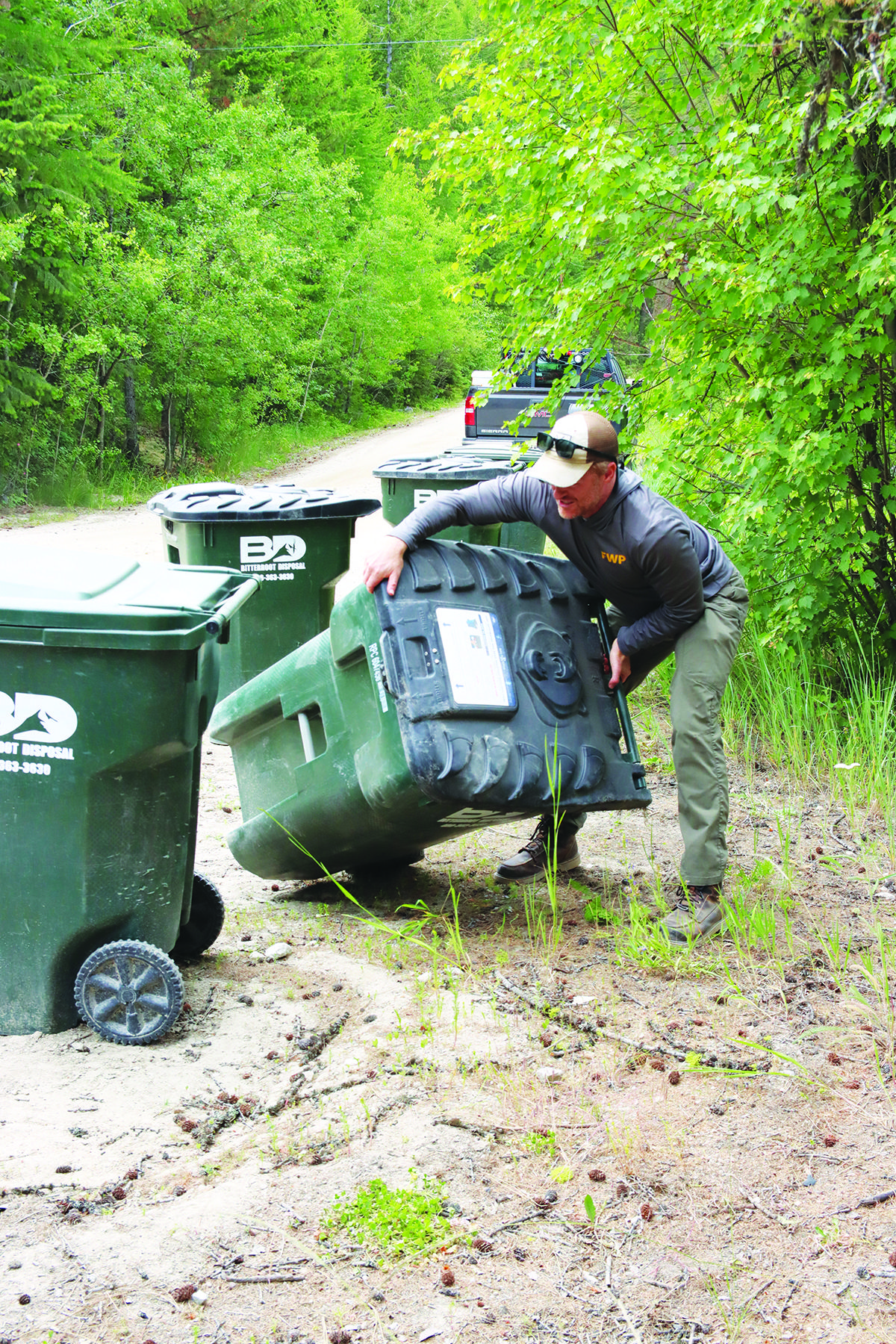
Brandon Davis, FWP’s bear manager for the Bitterroot Valley, said reports of bears getting into garbage, chicken coops and other attractants have increased sharply this year, making 2026 one of the worst years for bear conflicts in recent memory. “It’s been a rough year already,” Davis said.
The bear manager position is relatively new and was created to help reduce conflicts between people and bears throughout the valley. Davis said one of the most persistent trouble spots this year has been the Bear Creek area, where a centralized trash collection site has become a regular attraction for bears.
According to Davis, records and trail cameras have documented at least seven individual bears in the Bear Creek area alone, though he believes the true number is likely more than 20.
Trash left out overnight remains one of the biggest problems. While bear-resistant trash cans have been distributed to residents, not everyone uses them properly, and some containers are left unsecured.
To address the problem, FWP is working with Bitterroot Disposal and local property owners to construct a bear-proof trash enclosure at the collection site. Officials hope to electrify the structure to provide bears with negative reinforcement and teach them to avoid the area.
“If we get something permanent, we can start to break all these bad habits,” Davis said.
The project would be the first bear-proof enclosure of its kind in the Bitterroot Valley. A temporary structure could be installed first while officials work through logistics, public input and construction planning for a permanent enclosure. Davis estimated the project would cost about $5,000 and said discussions with Bitterroot Disposal are ongoing.
The agency is also encouraging residents to reduce bear attractants by putting trash out the morning of pickup, installing electric fencing around chicken coops and gardens, cleaning grills thoroughly after use and keeping grain and animal feed indoors. “Bird feeders, they are like a gateway drug for bears,” Davis said, highlighting another problem area. “Then they’ll hit trash, then start killing chickens.” Davis wants to inform people on ways they can manage the problem.
Several areas throughout the valley have seen elevated bear activity this year, including Bear Creek, Gash Creek, Eight Mile, Grubstake and Woodchuck areas. While those locations have historically experienced bear conflicts, Davis said conditions have been especially challenging this year.
FWP is also promoting a Defenders of Wildlife grant available specifically in the Bitterroot to help residents pay for measures that reduce conflicts between bears and people.
“We’re just all working together to tighten things up because these are chronic issues that have been going on for a long time,” Davis said.
Residents say the impacts have become increasingly difficult to manage. Justen Zimmerman, who owns property near the Bear Creek trash collection site, is helping support the proposed enclosure project. She said some years have seen more bear activity than others, but this season has been particularly challenging.
Zimmerman said she regularly finds three to four trash cans knocked over or opened each day and often helps clean up the mess. In previous years, bears entered her chicken coop and killed several chickens. She has since installed electric fencing around the coop. “I don’t want to see bears destroyed, and I don’t want to see people’s homes destroyed either,” Zimmerman said.
She believes the proposed enclosure could serve as a model for other neighborhoods facing similar challenges. “It’s a great example for other neighborhoods of how it should be,” she said.
Zimmerman noted that the area contains abundant natural food sources, including huckleberries, but said improperly secured trash continues to draw bears into residential areas. She also pointed to garbage being deposited in collection bins by campers and recreationists throughout the week, creating additional opportunities for bears to access human food sources.
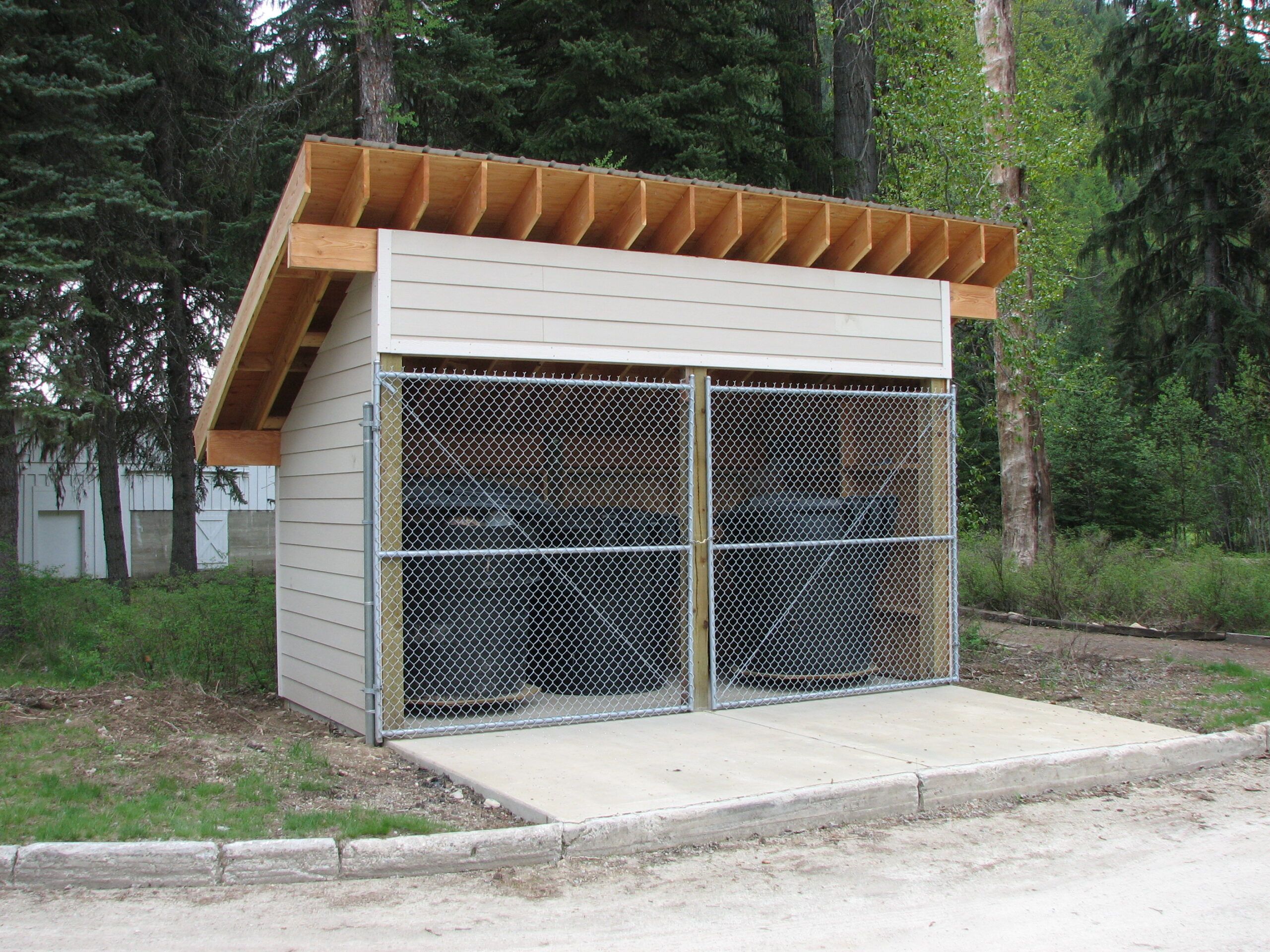
To her, part of the solution may include the need to “train the people as well as the bears,” Zimmerman said.
Davis urged residents to report bear problems as soon as they occur rather than waiting for conflicts to escalate. “People are at their wits’ end,” he said. “Let us know early in the game.”
Davis said he has recently received as many as 10 calls per day from the Bear Creek area alone. Catching problems early, he said, gives wildlife managers the best chance of changing bear behavior before conflicts become chronic.