by Mike Hudgins
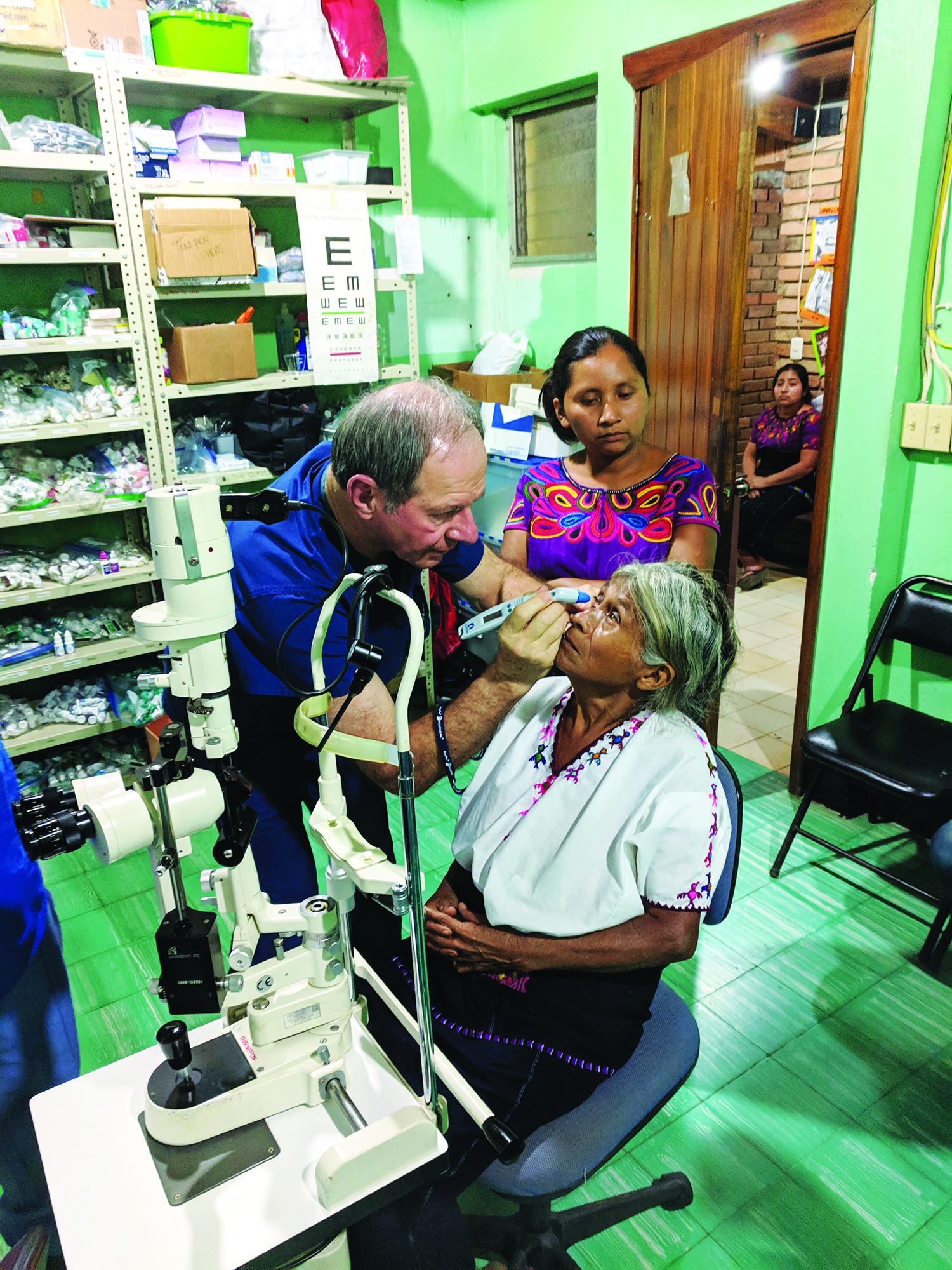
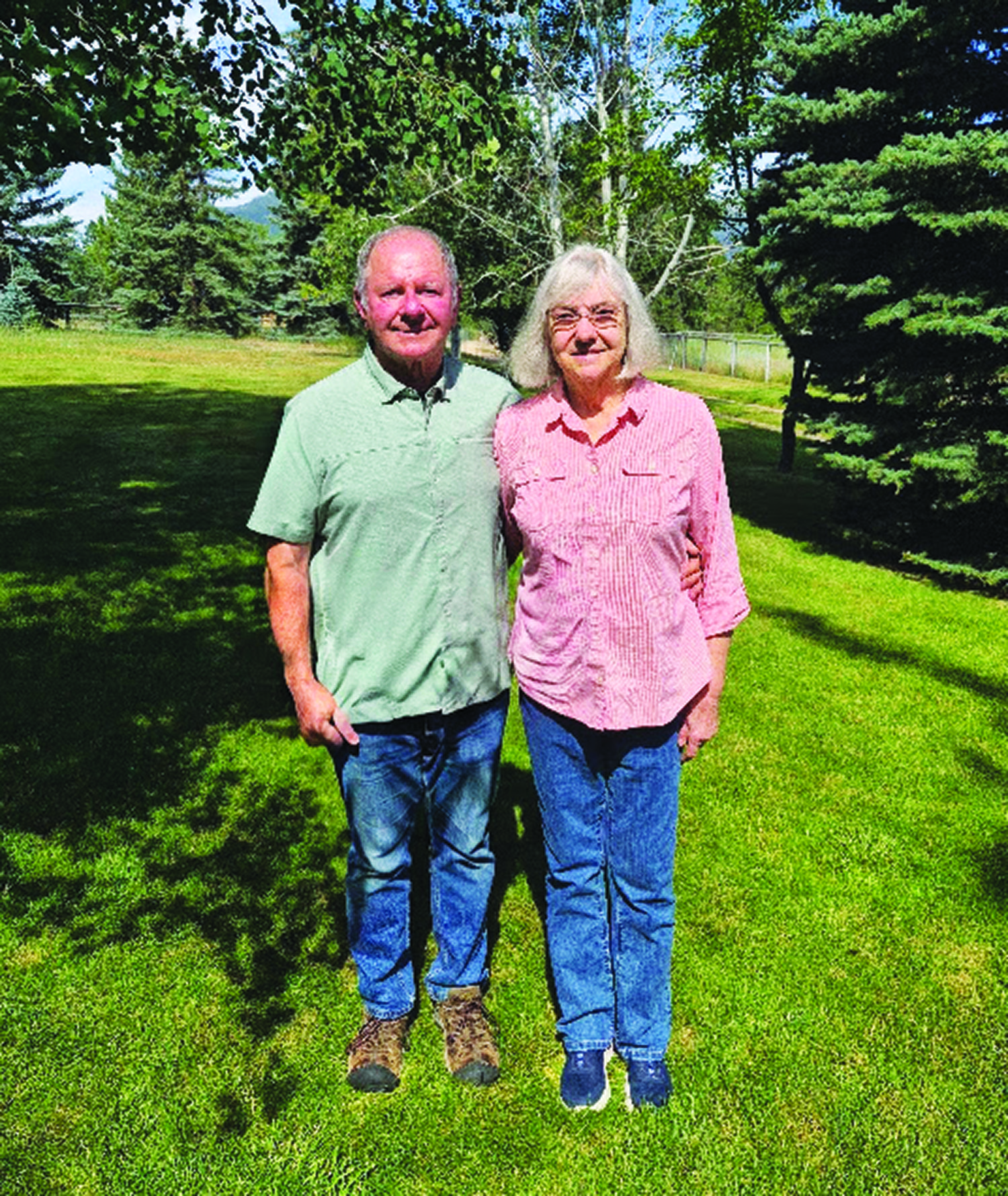
Spread across the coffee table in Joe and Diana Kupko’s Victor home during a July interview were decades of photographs, handwritten journals, blueprints and newspaper clippings. Together they formed a living archive of a medical mission that has quietly linked western Montana with one corner of Guatemala for nearly forty years.
Joe studied one photograph before sliding it across the table. Diana reached for another, supplying a date he couldn’t quite remember. A few minutes later, their roles reverse. One memory led to the next, until four decades of history unfolded between them.
Thousands of miles away, in the mountains of western Guatemala, some patients still walk for days to reach the mission clinic in Santo Tomás. Many arrive with cataracts so advanced they can no longer distinguish anything beyond light and darkness. Others have lived for years with eye diseases that would have been treated long before vision was threatened in the United States.
For nearly four decades, physicians, nurses and volunteers from Montana have been working to change that.
Every six months, a volunteer medical team returns to Santo Tomás for another week of clinics and surgeries. Led by Bozeman ophthalmologist Dr. Patricia Cosgrove, the group evaluates more than 65 patients a day and performs 75 surgeries and procedures. Their work continues a mission that has restored sight to thousands while building relationships that span generations.
Although Joe’s name is closely associated with the eye program, he is the first to say it was never one person’s accomplishment. While he examined patients and performed surgery, Diana quietly documented everything and preserved the mission’s history trip by trip.
The story began long before Joe ever boarded a plane.
In the 1960s, bishops in Guatemala asked Catholic dioceses in the United States to help serve isolated Indigenous communities in the country’s western highlands. The Diocese of Helena answered that call and established a mission in Santo Tomás. What began as a religious effort quickly revealed a deeper need: medical care.
Montana nurse Sheila McShane was one of the first to respond. She built a nutrition clinic that grew into a medical program serving villages scattered throughout the mountains. Midwives were trained as community health workers and brought basic care to places that had previously lacked it.
As the clinic expanded, another problem became impossible to ignore.
People weren’t just getting sick. They were going blind.
When Joe first traveled to Guatemala in 1989, he expected to spend a week helping however he could. Instead, he encountered an eye disease he had only read about in textbooks: trachoma. Repeated infections scar the eyelids until the eyelashes scrape the surface of the eye, often leading to blindness. In the remote villages around Santo Tomás, the disease had become an accepted part of life.
Working with Sister Mary Waddell, the missionary nurse who directed the clinic, Joe realized the problem could not be solved one patient at a time. Entire villages needed treatment. Sister Mary partnered with Helen Keller International and the World Health Organization to secure medication, and local health workers were trained to recognize and treat the disease across whole communities.
It took years, but it worked.
“The most remarkable medical thing I ever saw in my career was wiping out an epidemic like that,” Joe said.
With trachoma under control, another challenge came into focus: cataracts.
Unlike in the United States, where cataract surgery is routine long before vision deteriorates, many Guatemalans simply lived with blindness because surgery was unavailable or out of reach. Some walked for days to reach the clinic. Others were guided by family members because they could no longer make the journey alone.
“In those countries, it’s lifesaving sometimes because they can’t work and feed themselves,” Joe said. “Down there, it’s completely different.”
The need was obvious. The obstacle was where to operate.
The clinic lacked a sterile operating room, which forced patients to travel hours for surgery if they could afford the trip at all. Joe still laughs remembering one makeshift operating area. “One time they gave me a room with a dirt floor that I was doing surgery in.”
It wasn’t criticism, just the reality of practicing medicine where resources were scarce, and the need was overwhelming. Volunteers adapted. Equipment was repaired instead of replaced. Supplies were stretched as far as possible.
In 1992, the mission completed its first dedicated operating room in Santo Tomás. For the first time, volunteer ophthalmologists could regularly perform cataract surgery at the clinic instead of sending patients elsewhere. It marked the beginning of an eye program designed to outlast the people who created it.
Joe recruited fellow ophthalmologists. Lions Clubs, Rotary organizations and countless donors provided equipment and support. Local physicians, nurses and translators became indispensable partners and ensured the work continued long after visiting volunteers returned home.
Looking back, Joe rarely talks about the surgeries themselves. He remembers the people: children who returned years later as adults, families who welcomed volunteers back every summer and friendships formed despite differences in language, culture and geography.
Today, the eye clinic in Santo Tomás looks very different from the one Joe first encountered. What began with borrowed rooms and improvised workspaces has grown into a program capable of restoring sight year after year. Roads have improved. Equipment once considered impossible to obtain now arrives through donors and volunteers. Local health workers play a larger role than ever and have helped create a program that is stronger and more sustainable than the one Joe joined.
Perhaps the greatest measure of its success is that it no longer depends on the people who started it.
When Joe returned to active duty with the U.S. Air Force, other ophthalmologists stepped in. Today, another generation carries the mission forward.
Among this year’s team was Bitterroot Valley registered nurse Nancy Dezell, who joined the mission in 2016 after retiring from a 29-year Air Force career.
“Everyone was humbled and grateful for this opportunity to serve our brothers and sisters in Santo Tomás, Guatemala,” she said.
For Joe and Diana, watching new volunteers embrace the mission has become one of its greatest rewards. Diana’s journals, photographs and clippings now tell a story neither of them imagined when Joe boarded that first plane. She also raised money by selling handwoven Guatemalan textiles throughout western Montana, supporting the clinic while providing income for Guatemalan families.
“I thought I would be going down and doing my medical thing and coming home,” Joe said, “but they really made us part of their community.”
Diana reached for one final photograph. It brought back a conversation from years ago, when she asked Sister Mary Waddell how she described her role as a missionary.
Without hesitation, she answered: “I am the hands of the people of Western Montana.”
For more information, visit seeingagainguatemala.org.