by John Dowd
Community members, child care providers, educators, business leaders and lawmakers gathered Thursday at the Ravalli County Museum as nonprofit Zero to Five Montana concluded an 11-stop statewide policy roadshow aimed at identifying barriers to child care and shaping future policy recommendations.
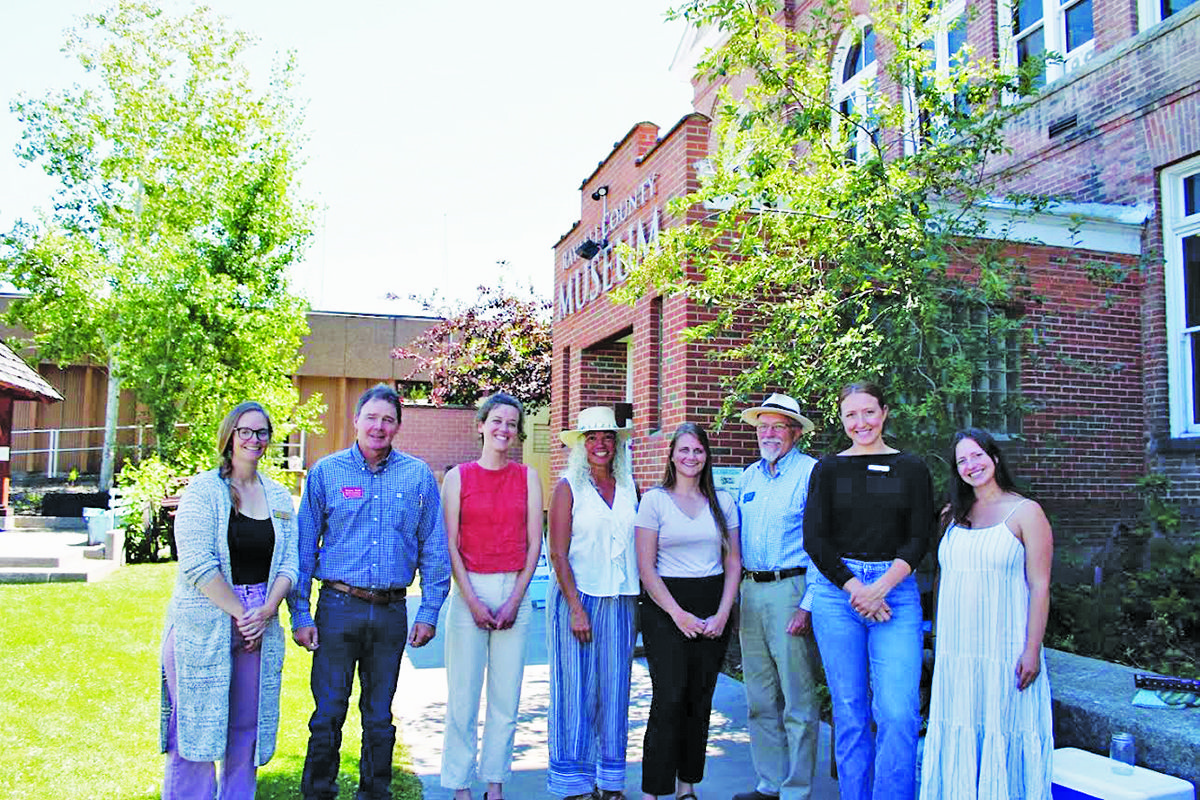
The Hamilton meeting, facilitated by the Bitterroot Early Learning Network (BELN), marked the final stop of the organization’s tour, which also included visits to communities such as Arlee, Libby, Lodge Grass and Miles City. “Hamilton was their best and last location,” BELN Executive Director Ariella Wells said.
Zero to Five Montana is a bipartisan nonprofit that advocates for policies supporting young children, families and child care providers. In addition to policy advocacy, the organization offers business support, planning assistance for community initiatives and resources to help businesses and organizations understand current and proposed legislation.
According to Wells, the roadshow was designed to create “unified voices across the state.” At each stop, participants from multiple sectors — including child care providers, chamber of commerce representatives, business owners, local legislators, school officials, parents, community members and children — participated in open discussions and listening sessions.
Participants identified challenges facing families and providers while brainstorming potential solutions. “It was nice to see people be in that space of creative exploration,” added Wells.
Organizers guided discussions with questions such as, “What are the biggest barriers for families to access child care?” and “What are the general challenges for care providers?”
According to Wells, affordability emerged as the most common concern among families. Some of the discussion centered on Best Beginnings, a Montana child care scholarship program. Child care providers at the meeting said the program has not kept pace with inflation or changing family incomes.
One provider said that in previous years, roughly 90% of the children enrolled at their facility qualified for Best Beginnings assistance. Today, only about 1% of families they serve receive the scholarship, which participants attributed largely to stricter eligibility requirements.
“The elements deciding who qualifies are not moving at a rate that matches those families,” Wells said.
Providers also discussed changes to Montana’s child care and early education landscape following recent legislative actions. According to Wells, more public schools are now able to offer programs for four-year-olds at no cost to families. Previously, many of those children remained with private child care providers until they reached five-years-old or kindergarten age.
That shift has had unintended consequences for private providers, according to Wells.
The loss of four-year-old enrollment has also pushed many providers to begin accepting younger children, including infants and toddlers, to maintain enrollment numbers. “With adding younger ages, teacher-to-student ratio drops,” she said. More younger children means that the state requires providers to hire more employees. This has also led to increasing insurance costs.
Wells said insurance companies have viewed the change as an increased risk, leading some providers to see premiums triple.
At the same time, recruiting and retaining employees remains a significant challenge. According to Wells, the average child care worker in Montana earns about $13 per hour, even with formal education or a degree in early childhood education. She said the low wages have contributed to high employee turnover and ongoing staffing shortages across the industry.
Zero to Five Montana plans to compile feedback from each of its 11 community meetings to advocate for policy changes at the state level, while local participants can use the information to pursue solutions in their own communities.
“They are working with legislators to see what Montanans say their needs are,” Wells said.
The organization also plans to develop a statewide policy roadmap, likely in the form of an infographic, highlighting concerns shared across Montana as well as challenges unique to individual regions.
As for Wells and BELN, statewide local representatives who attended these meetings also have the same feedback, which they can now use locally to affect change. BELN plans to do just that. “We’re really proud of our community for sharing their voices,” Wells said.