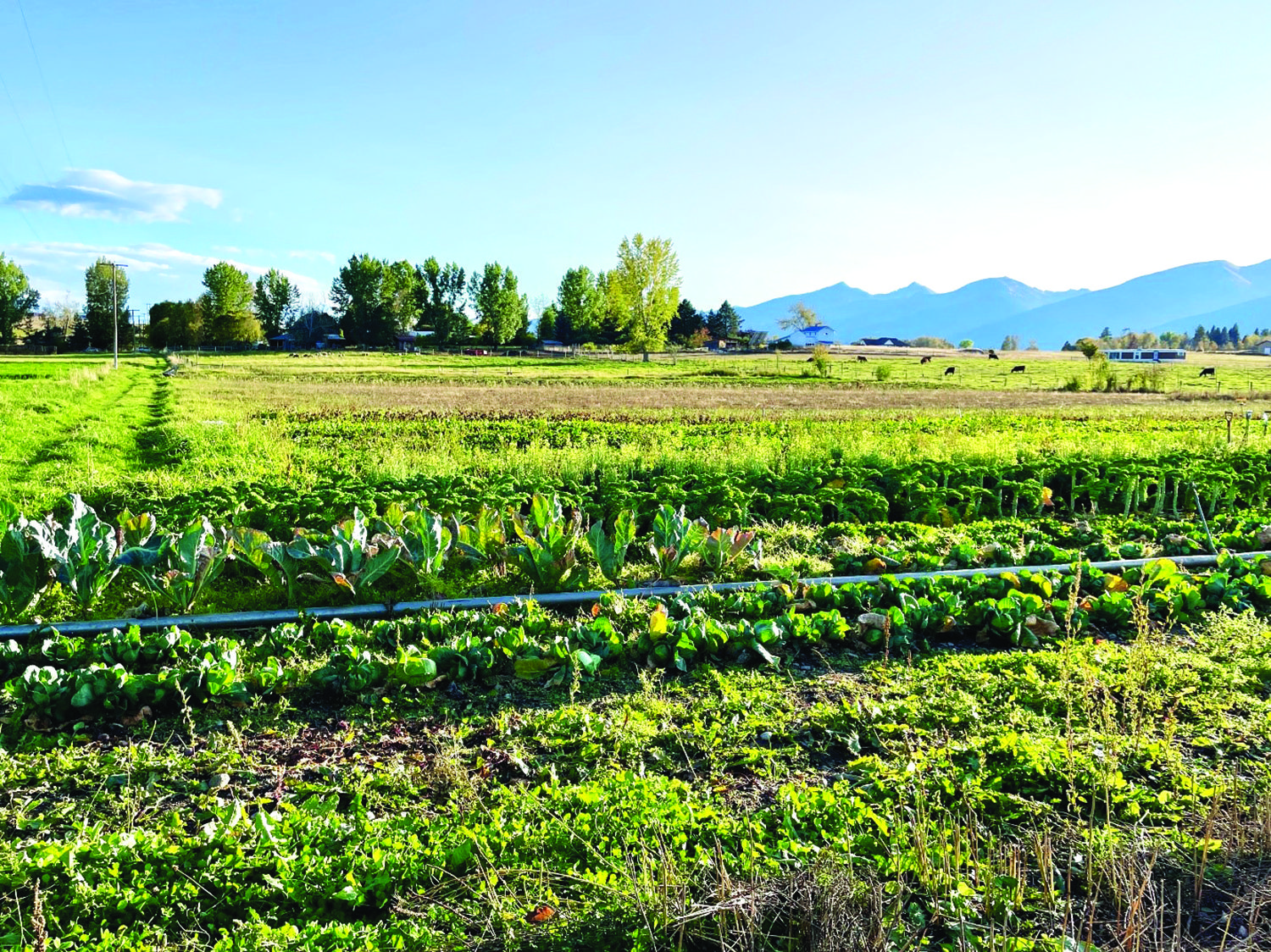
 Locally owned and operated Lifeline Produce, a certified organic farm that has been feeding communities in the Bitterroot and Missoula Valleys since 1979, permanently conserved its entire 78 acres last month to protect the land for local food production.
The conservation easement was completed in partnership with the Bitter Root Land Trust, a local nonprofit organization that has been partnering with private landowners to protect water, wildlife, working farms and ranches in the Bitterroot Valley since 1997.
Owned by Luci Brieger and Steve Elliott and their family, Lifeline Produce includes two properties – one along the Eastside Highway in Stevensville that serves as the farm’s main crop production area, and the farm’s headquarters located off McVey Road in Victor that includes a home, hoop house, green houses, and land used for crop production and rotational livestock grazing.
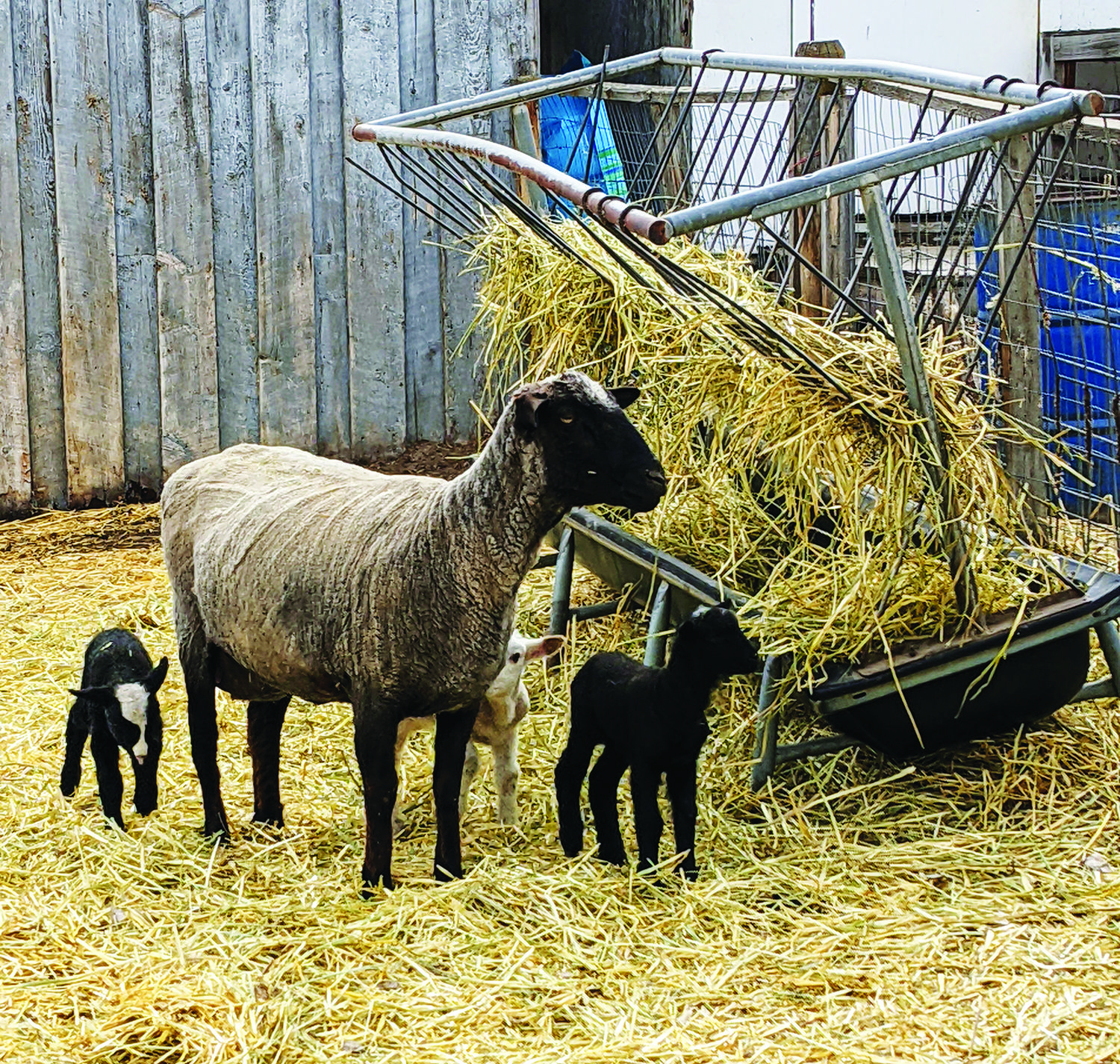
The farm grows all their own hay and feed to support enough cattle and sheep to provide enough manure to make the compost that builds soil for crops. Brieger and Elliott also produce their own biodiesel fuel to operate farm vehicles, using waste cooking oil from Victor’s Hamilton House and the Mustard Seed Restaurant in Missoula. Most of their electricity is solar.
“This is our life’s work. Over the years we have been able to buy these 78 acres and rebuild healthy soils. We raised our three children here, and our family agreed we wanted this ground to be available for organic agriculture for generations to come,” says Luci Brieger. “We knew that a conservation easement would probably be a useful tool to make that happen.”
Both properties are in close proximity to other conservation easements completed by local families in partnership with the Bitter Root Land Trust, which will remain forever open and available for agriculture, wildlife and riparian habitat, as well as scenic views from highly traveled roads.
“The vision of Luci and Steve to conserve their family farm is a huge win for the future of agriculture in the Bitterroot Valley,” says Melissa Odell, Lands Director for the Bitter Root Land Trust. “Their forward thinking will undoubtedly benefit the next generation of farmers who genuinely want to make a living working the land, and thanks to Luci and Steve, they will be able to do so for many years to come.”
In addition to organic crop production, the farm also supports an apprenticeship program in which they have trained two farmers every year for many years.
“We need more farmers, and somebody needs to train them,” says Brieger. “We wanted future farmers to have the opportunity to operate this farm someday and knew that meant we’d need to permanently lower the land’s value by removing development rights through the conservation easement. Because if those farmers had to pay development prices, this land would certainly not stay in ag production. “
Conservation easements are a voluntary, landowner-driven tool to protect the land’s agricultural, water, wildlife habitat, and scenic values for future generations. While conservation easements limit future development opportunities on the land, conservation easement lands are still owned and managed by private landowners, can be transferred to heirs or sold subject to the limitations of the conservation easement, and are designed to keep working farms and ranches producing local food.
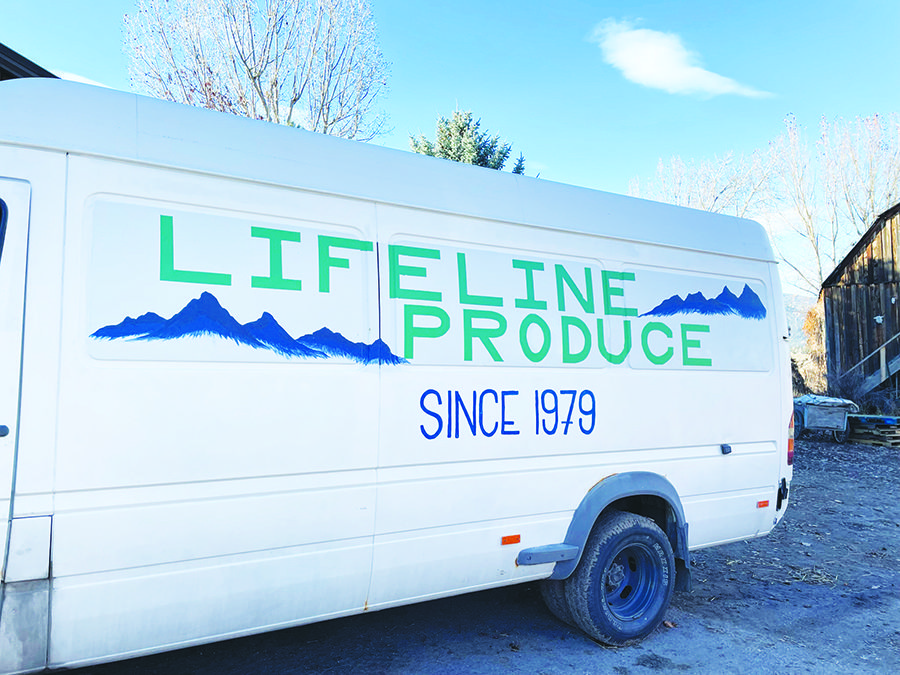 For Lifeline Produce, that means growing local food for our community for many years to come.
Community members can purchase Lifeline Produce at the Good Food Store and Orange Street Food Farm in Missoula and Super One in Stevensville. The Western Montana Growers Co-Op also purchases and distributes Lifeline’s produce, in addition to goods offered by many other local growers, to grocery stores, restaurants, and institutions across Montana and into Northern Idaho and Eastern Washington.
To learn more about the Bitter Root Land Trust and conservation opportunities in the Bitterroot Valley, visit www.bitterrootlandtrust.org.